Strength training helps runners by building the tissue capacity that absorbs repeated impact, which lowers injury risk and improves running economy. Two short sessions a week is enough for most runners. It does not add bulk, because building large muscle takes far more volume and food than a runner typically takes on.
Strength training for runners is the piece most people leave out, and it is often the piece that keeps them running. Whether you are training for a fall marathon or you simply want to walk the neighborhood without your knees complaining, a little time spent building strength goes a long way. In my practice at Helms Performance in Bethesda, MD, the runners who add two short strength sessions a week tend to break down far less often than the ones who only log miles. You do not need a gym full of heavy barbells. You need the right handful of movements, done consistently.
The worry I hear most is, "Won't lifting make me bulky and slow?" It is a fair question, and the honest answer is no. Building large muscles takes very high training volume, a lot of food, and a plan aimed at size. That is not what we are doing here. For a runner, strength work is about durability: tissues that handle the repeated pounding of a run, hips that stay steady, and a stride that feels smooth mile after mile.
Why Strength Training for Runners Builds Durability
Running is thousands of small, repeated impacts. Every stride asks your muscles, tendons, and joints to absorb your body weight and spring it forward again. When those tissues are strong, they soak up the load and protect you. When they are underprepared, the same miles start to nag at a knee, a hip, or a heel.
Strength work builds three qualities that make you harder to hurt:
- Load tolerance. Stronger muscles and tendons handle more running before they get cranky.
- Stability. Strong hips and a stable core keep your stride aligned, so stress does not pile up in one spot.
- Efficiency. A body that produces force well wastes less energy, which can help you hold your pace with more comfort.
Research on running has found that regular strength work can meaningfully lower the rate of overuse injuries. I want to be clear that no exercise is a guarantee, and results vary from person to person. Still, of all the habits a runner can add, a short, steady strength routine is one of the most reliable ways to stay healthy.
The Movements That Matter Most
You can skip the long list of fancy gym equipment. Runners get the most from a small set of basic patterns that train the muscles you actually use on the road. Here is where I would start.
Single-Leg Strength
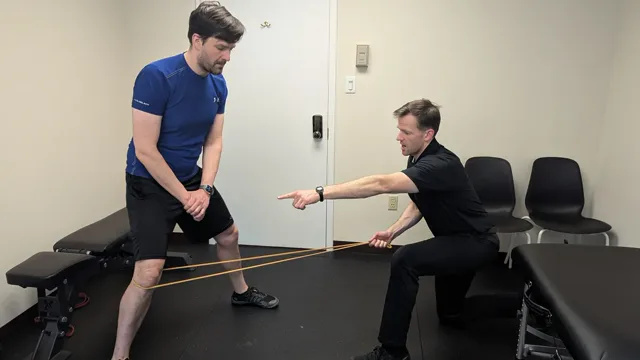
Running is a one-leg-at-a-time sport, so it makes sense to train that way. Step-ups, split squats, and single-leg deadlifts build the glutes, thighs, and calves while asking your hips to stay level. That balance carries straight over to a steadier, more controlled stride.
Hips and Glutes
Your glutes are the engine that drives you forward and keeps your knees tracking well. Bridges, hip thrusts, and lateral band walks wake them up. If you deal with knee pain, strong hips often take pressure off the joint. You can learn more about how we approach knee pain if that is a familiar struggle.
Calves and Feet
Your calves and the tissues in your feet absorb a huge share of each landing. Simple calf raises, done slowly and through a full range, build the resilience that protects your Achilles and heel. Runners who care for their calves tend to have fewer nagging lower-leg problems.
Core
A stable trunk keeps your form from falling apart late in a run. Planks, dead bugs, and carries build the kind of quiet core strength that holds your posture together when you are tired.
How to Program Strength Around Your Running
The most common question is how to fit strength work in without wrecking your legs for the next run. The key is simple: protect your easy days. Here is a straightforward way to structure a week.
- Aim for two sessions a week. Twenty to forty minutes each is plenty. One session a week still helps if that is all you can manage.
- Pair hard with hard. Put your strength work on the same day as a harder or longer run. That keeps your easy days truly easy and gives your legs full recovery days.
- Start light and build slowly. Begin with movements you can control, then add a little resistance over the weeks as they get easier.
- Leave a little in the tank. Stop a rep or two before your form slips. You are building durability, not testing your limit.
If you would like a plan built around your goals and your schedule, our functional strength training in Bethesda is designed to complement your running rather than compete with it.
Common Mistakes Runners Make in the Gym
When strength work goes sideways for runners, it usually comes down to a few repeat offenders. A quick scan of this list can save you weeks of frustration.
- Doing too much, too soon. Jumping into heavy or high-volume lifting leaves your legs too sore to run well. Ease in.
- Only training forward. Runners often ignore side-to-side strength. Lateral band walks and single-leg work fill that gap.
- Skipping the calves and feet. These take a beating on every run and deserve direct attention.
- Chasing soreness. A tough, grind-it-out session is not the goal. Steady, repeatable work wins over months.
- Quitting after two weeks. Strength gains build slowly. The runner who keeps a light routine going all season is the one who benefits.
Consistent, moderate strength work beats occasional heavy sessions every time. Two short workouts a week, kept up over months, is what protects your running.
When to See a Physical Therapist or Chiropractor First
Adding strength work is a smart move for almost every runner. But if you are already dealing with pain, it is worth getting a proper look before you load a sore area. Some signs that it is time to check in with a professional:
- Pain that lingers beyond a few days, sharpens with running, or wakes you at night
- Swelling, a limp, or a joint that feels unstable or gives way
- A nagging spot that keeps returning no matter how much you rest or stretch
These are not reasons to panic, but they are reasons to get evaluated rather than guess. At Helms Performance, we look at the whole chain, from your feet up through your hips and back, to find what is actually driving the problem. Then we help calm the pain and build a plan that meets you where you are. Our sports physical therapy and hands-on care work well alongside a smart strength routine, so you can get back to running with confidence.
Final Thoughts from Dr. Helms
You do not have to choose between running and strength work. The two support each other. A short, steady strength routine helps your body handle the miles, keeps your stride strong when you are tired, and lowers your odds of the overuse problems that sideline so many runners. And it does all of that without turning you into a bodybuilder or slowing you down.
Whether you are chasing a personal best or just want to move through your day without aches, a little strength goes a long way. Start with two short sessions a week, keep them simple, and stay consistent. If pain is holding you back or you want a plan tailored to you, we are here to help right here in Bethesda, MD.