Myofascial Release · Bethesda, MD

Myofascial Release
in Bethesda, MD

Chronic tightness, stubborn muscle pain, movement that feels restricted no matter how much you stretch. Whether you are a runner, a desk worker, or anyone carrying tension that just will not let go, Dr. Paul Helms uses hands-on myofascial release to get to the source and help your body move freely again.

One-on-one with Dr. Helms | Sports chiro + physical therapy | Bethesda, MD
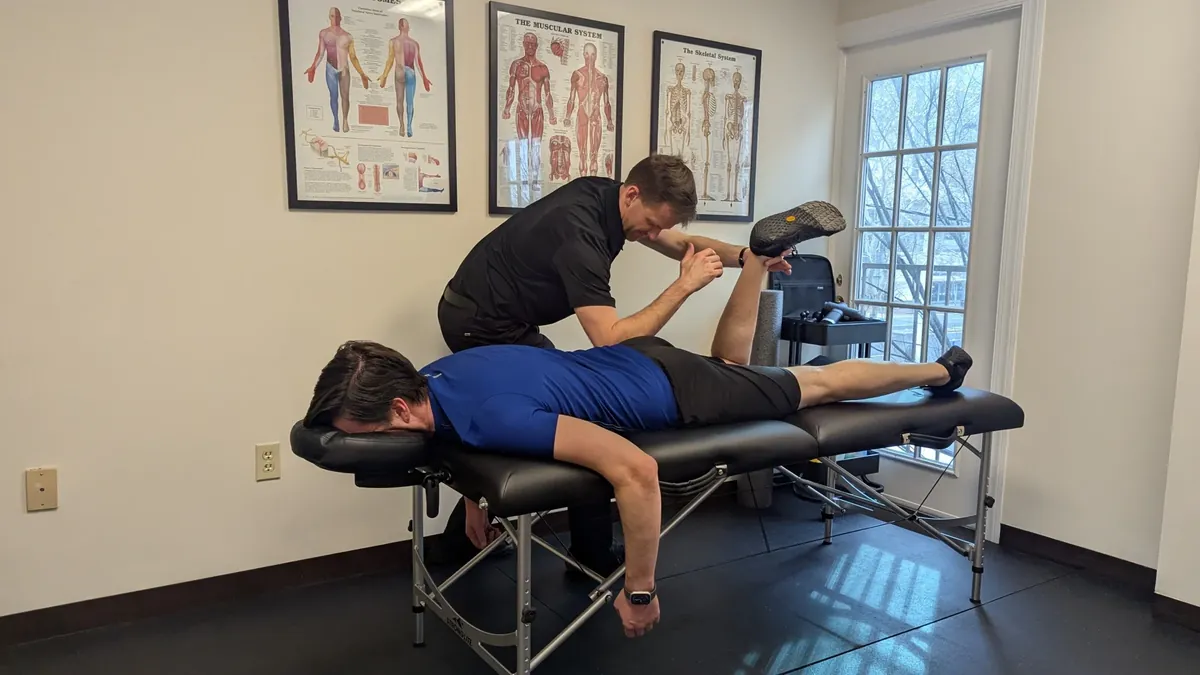
Myofascial release piriformis treatment at Helms Performance in Bethesda, MD
One-on-one every visit
Same-day appointments available
Bethesda, MD
No referral needed

Relieve Pain

Myofascial release reduces the restrictions in connective tissue that are pulling on muscles, joints, and nerves, often relieving pain that other treatments have not been able to reach.

Restore Movement

When fascial restrictions release, range of motion often returns quickly. We combine myofascial work with movement therapy to keep that mobility lasting.

Rebuild Strength

A body that moves freely is a body that can build durable strength. We help you develop the resilience to stay out of pain, not just get out of it.

What Is Myofascial Release?

Sustained Pressure That Releases the Connective Tissue Holding You Tight

Fascia is the web of connective tissue that surrounds and runs through every muscle, bone, organ, and nerve in your body. When fascia becomes restricted from injury, overuse, poor posture, or stress, it pulls on the structures around it, creating pain, tightness, and limited movement.

Myofascial release is a hands-on technique that applies slow, sustained pressure directly into these restrictions. Unlike massage, which works with the muscle tissue, myofascial release targets the fascial layer itself, holding pressure until the tissue softens and releases. Most patients feel a gradual melting sensation followed by significantly improved movement.

At Helms Performance in Bethesda, Dr. Helms combines myofascial release with sports chiropractic and physical therapy to treat the full picture, not just the spot that hurts.

1
Fascia restricts and pulls Injury, overuse, or chronic tension causes fascial tissue to tighten and adhere
2
Sustained pressure is applied Dr. Helms holds pressure at the restriction point, waiting for the fascia to respond
3
Tissue softens and releases The restriction lets go, restoring blood flow, nerve signaling, and movement
Myofascial release vs. massage

Massage works primarily on muscle tissue and increases circulation. Myofascial release works on the fascial layer with sustained, still pressure, not friction or gliding strokes. Both are useful, but they address different structures and different problems. Many patients benefit from both.

Who It Helps

Conditions We Treat With Myofascial Release

Myofascial release supports a wide range of patients, from runners dealing with chronic IT band tightness to desk workers carrying tension in their neck and upper back, to older adults who want to move with less restriction.

Your First Visit

What to Expect From Your First Appointment

Your first visit begins with a thorough assessment. Dr. Helms looks at how your whole body moves, not just the area that hurts, before any treatment begins.

  1. Movement Assessment

    Dr. Helms evaluates your posture, movement patterns, and the history of your symptoms to understand where restrictions are coming from and why.

  2. Myofascial Treatment

    Slow, sustained pressure is applied to the restriction. Most patients feel a deep, dull pressure followed by a gradual sense of release. It is different from massage and different from what most people expect.

  3. Integrated Care

    Myofascial release is often combined with chiropractic adjustment, dry needling, or movement work in the same session, depending on what your body needs.

  4. A Clear Plan Forward

    You leave with a specific understanding of what is happening in your body and a realistic plan, not an open-ended treatment schedule.

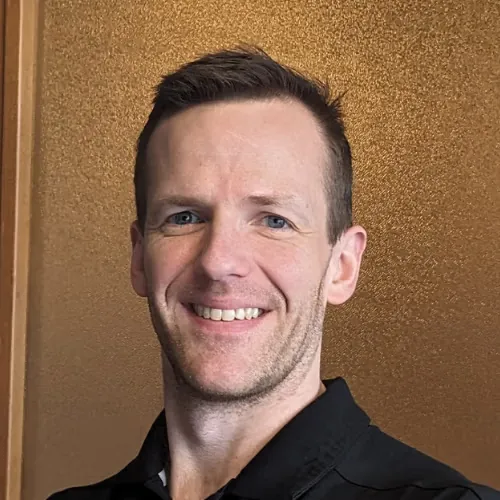
Dr. Paul Helms, sports chiropractor and physical therapist at Helms Performance in Bethesda, MD
Dr. Paul Helms Sports Chiropractor, Bethesda MD
Your Provider

Dr. Paul Helms

NFL & NBA Athletes treated
2-in-1 Chiro + PT under one roof
1-on-1 Every single appointment

Dr. Helms has worked with patients ranging from office workers and recreational runners to professional athletes in the NFL and NBA. His practice is built to welcome everyone. If chronic tightness or pain is limiting your life, you are in the right place.

He uses myofascial release as part of a complete approach that combines sports chiropractic, physical therapy, and soft tissue work. Every appointment is one-on-one, and every plan is built around your specific body and goals, not a generic protocol.

  • Advanced training in Active Release Technique (ART)
  • Experience with professional athletes in the NFL, NBA, and CrossFit
  • Sports chiropractic and sports physical therapy under one roof
  • One-on-one care, every appointment, every time
  • Located in Bethesda, MD — walk from the Bethesda Metro
Learn about Dr. Helms
Common Questions

Myofascial Release FAQs

Answers to the questions we hear most often before a first appointment.

What is myofascial release?

Myofascial release is a hands-on soft tissue technique that applies slow, sustained pressure into restrictions in the fascial system, the connective tissue web that surrounds every muscle, bone, and organ in your body. When fascia becomes tight or adhered from injury, overuse, or chronic tension, it creates pain and limits movement. Myofascial release targets these restrictions directly, holding pressure until the tissue softens and releases.

Does myofascial release work?

Yes, for the right conditions. Myofascial release is most effective when fascial restrictions are a contributing factor to the problem, which is the case in many presentations of chronic pain, limited range of motion, and recurring muscle tightness. It is not a replacement for all treatment, but it is an effective part of a well-rounded plan when used appropriately. Dr. Helms will assess whether it is the right tool for your situation before recommending it.

Is myofascial release painful?

Myofascial release should not be acutely painful, though you may feel a deep, sustained pressure that can be intense in areas of significant restriction. Most patients describe it as a good pressure rather than pain, and the sensation is followed by a noticeable release. Some mild soreness after a session is normal. If something feels sharp or wrong, Dr. Helms adjusts immediately.

How does myofascial release work differently from massage?

Massage uses gliding and friction strokes to increase circulation and relax muscle tissue. Myofascial release uses slow, still, sustained pressure held at a restriction point in the fascial layer until the tissue responds. The technique, the target tissue, and the physiological mechanism are all different. Both can be valuable, and many patients benefit from both at different points in their care.

How many sessions will I need?

It depends on how long the restriction has been present and how your body responds. Many patients feel meaningful improvement after 2 to 4 sessions. Chronic or long-standing patterns may take longer to fully address. Dr. Helms will give you a realistic picture after your first appointment, not an open-ended course of care.

Is myofascial release covered by insurance?

Coverage varies by plan. Myofascial release may be billed under manual therapy or physical therapy codes and can be covered depending on your insurance. We recommend calling your provider before your visit. Our team is happy to help clarify what questions to ask your insurance company.

Ready to Move Without Restriction?

Whether you are dealing with chronic tightness, an old injury that never fully healed, or pain that seems to move around, we will help you get to the source. Book a visit with Dr. Helms in Bethesda.

Book An Appointment

Or call 301-578-5197 to speak with our team