Back Pain Relief
in Bethesda, MD
Back pain is the most common musculoskeletal condition we treat. It is rarely caused by a single thing. The most frequent sources are lumbar disc irritation, sacroiliac joint dysfunction, thoracic vertebral restriction, and paraspinal muscle strain, each of which responds to a different treatment approach. Whether you are managing upper back tightness from a desk job, lower right back pain after a long run, or an ache that has been there so long you cannot remember when it started, Dr. Paul Helms will help you find the cause and work through it.
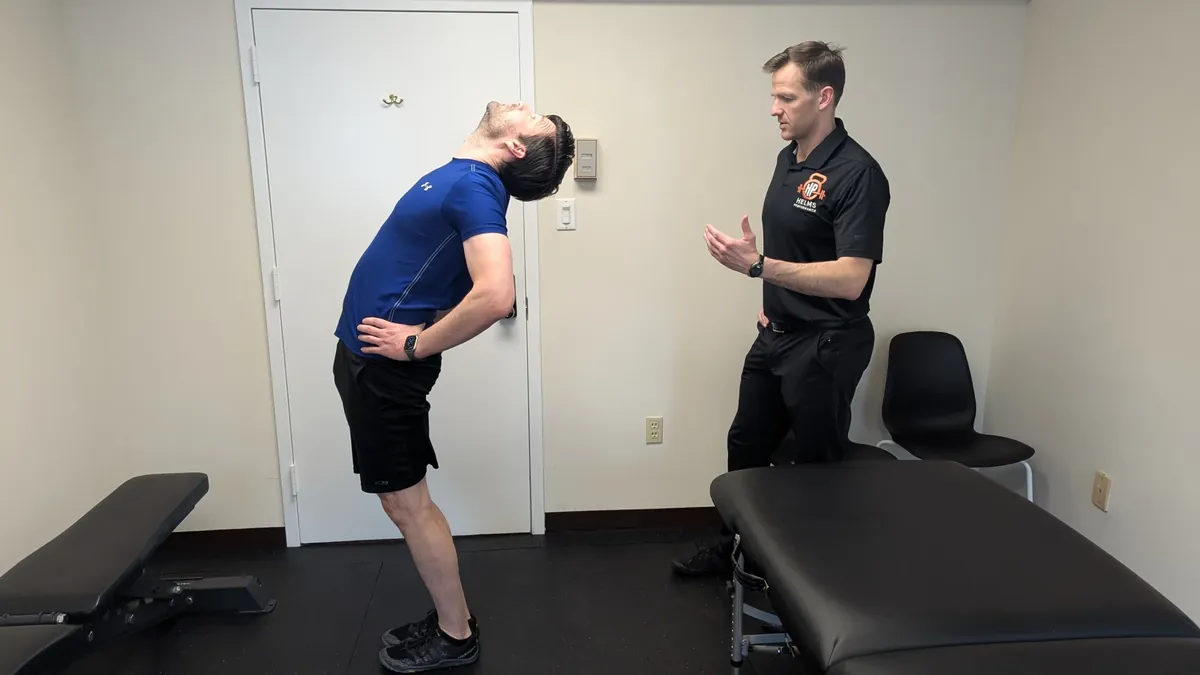
Relieve pain
We find the structures driving your back pain, not just where it hurts, and use targeted chiropractic and soft tissue care to start reducing it from the first visit.
Restore movement
Back pain limits how you bend, lift, and carry yourself through the day. We work to restore the range of motion you had before pain started shaping how you move.
Rebuild strength
The muscles that support your spine often need rebuilding after an injury or a period of guarded movement. We give you the tools to stay out of pain, not just get out of it.
Back Pain Is Not One Thing. Finding the Right Source Matters.
Upper back pain often starts in the thoracic spine or the muscles around the shoulder blades, made worse by prolonged sitting, screen time, or carrying tension in the shoulders. Mid-back pain usually comes from the thoracic vertebrae or rib joints, which can become restricted and surprisingly tender. Lower back pain, the most common type, can come from muscle strain, lumbar disc issues, the sacroiliac joint, or lumbar facet joints.
What these types share is that the area that hurts is often not the only area involved. A disc issue in the lumbar spine may cause pain that radiates into the leg. A tight hip flexor may create strain at the low back. SI joint dysfunction can mimic classic low back pain almost exactly. Lower right back pain, for example, often points to sacroiliac involvement or disc irritation on one side, not just a muscle pull.
At Helms Performance, Dr. Helms evaluates your posture, movement patterns, and nerve function to identify the actual source. Then he draws on sports chiropractic and physical therapy together, addressing the joint restriction and the muscle imbalance that caused it, rather than treating the pain as a single category.
Chiropractic adjustments restore movement in restricted vertebrae and reduce nerve irritation. Physical therapy targets the muscles and movement habits that put ongoing strain on the spine. Having both under one roof means Dr. Helms can combine them in the same visit, rather than sending you to two separate providers.
Types of Back Pain We Treat
Whether you are a runner with recurring lumbar tightness, a desk worker with an ache that never fully goes away, a woman managing back pain related to pregnancy or postpartum recovery, or someone who simply threw out their back picking something up. We can help you find the cause and work through it.
Upper back pain
Tightness in the upper spine and across the shoulder blades, frequently made worse by desk work, driving, and carrying tension from the day.
Lower back pain
The most common kind of back pain. The source might be a pulled muscle, a lumbar disc pressing on a nerve, sacroiliac joint dysfunction, or facet joint irritation. Each responds differently, which is why finding the right one matters.
Lower right or left back pain
Pain on one side of the low back often points to the sacroiliac joint, a hip muscle imbalance, or disc irritation that is more pronounced on one side.
Mid-back pain
Stiffness or aching across the middle of the back, often coming from the thoracic vertebrae or the rib joints where they meet the spine.
Sciatica
Nerve pain that begins in the lower back and travels through the buttock and into the leg. This pattern often responds well to chiropractic care and soft tissue work.
Herniated disc
When a disc bulges or ruptures and presses on a nearby nerve root, it causes local or radiating pain that can range from a dull ache to a sharp, shooting sensation.
Muscle spasm and strain
Sudden, acute back pain from a lift, twist, or overuse injury that makes certain movements feel nearly impossible.
Back pain in women
The sacroiliac joint, postpartum recovery, and hormonal changes during the menstrual cycle can each contribute to back pain patterns more common in women. Dr. Helms takes a full history to understand which factors are most relevant for you.
Chiropractic vs. Physical Therapy for Back Pain
Most back pain has both a joint component and a muscle component. That is why combining chiropractic and physical therapy tends to produce more lasting results than either discipline alone. Here is how they differ, and why having both in one visit matters.
| Feature | Chiropractic | Physical Therapy |
|---|---|---|
| Primary focus | Spine, joints, and nervous system: restoring movement in restricted vertebrae and reducing nerve irritation | Movement rehabilitation and functional restoration: rebuilding strength and correcting patterns that cause recurring pain |
| Works best for | Acute joint restriction, disc irritation, nerve compression, sacroiliac dysfunction, and spinal stiffness | Muscle weakness, movement pattern dysfunction, post-injury reconditioning, core instability, and long-term pain prevention |
| Key techniques | Spinal adjustments, Active Release Technique (ART), soft tissue mobilization, dry needling | Therapeutic exercise, corrective movement training, manual therapy, functional strength progressions |
| What a session looks like | Hands-on assessment and treatment of the spine and affected joints, targeted to the specific structures involved in your pain | Movement screen and guided exercise program tailored to the specific weaknesses contributing to your back pain |
| Limitation on its own | Addresses joint restriction but may not correct the muscle weakness or movement pattern that caused it | Rebuilds strength and movement quality but may not unlock a restricted joint or decompress an irritated nerve |
At Helms Performance, Dr. Helms brings both disciplines into the same visit. Addressing the joint restriction and the muscle imbalance together, rather than treating one and hoping the other resolves, is what tends to produce more lasting results. Whether you are a longtime desk worker with chronic upper back tightness or a recreational athlete with a recent lumbar strain, you get complete, coordinated care without referrals or waiting lists.
What to Expect From Your First Appointment
Your first appointment is a thorough conversation and assessment, not a rushed treatment. Dr. Helms takes the time to understand your history, what makes the pain better or worse, and what you want to get back to, then builds a plan specific to your situation.
-
History And Movement Assessment
Dr. Helms reviews when and how the pain started, what aggravates it, and what you want to be able to do again. He evaluates your posture, spinal range of motion, and nerve function.
-
Targeted Chiropractic And Soft Tissue Treatment
Based on the assessment, treatment may include spinal adjustments, Active Release Technique (a massage and movement-based technique for muscles, tendons, ligaments, and nerves), dry needling, or manual therapy, depending on what your back actually needs.
-
Therapeutic Exercise And Movement Rehab
You will receive physical therapy exercises tailored to the specific weaknesses and movement patterns that contributed to your pain, with guidance you can use between visits.
-
A Clear Recovery Plan
You leave knowing what is driving your pain, what treatment will look like, and a realistic timeline, not an open-ended course of care.
The practical details
- How long
- One hour, one-on-one with Dr. Helms.
- What it costs
- $165, a flat fee for the visit.
- Insurance
- We do not accept insurance directly. You can pay with an HSA or FSA card, and we will give you a superbill, an itemized receipt you can submit to your insurer for reimbursement.
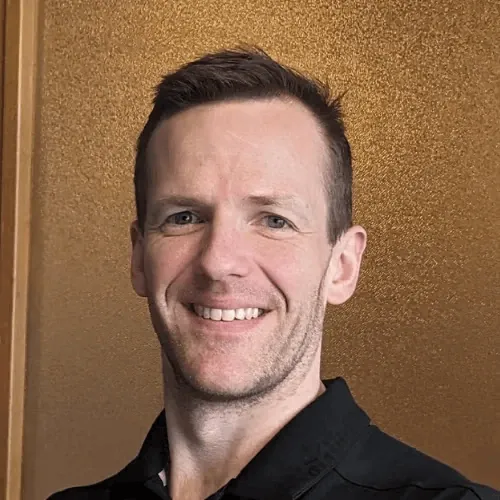
Dr. Paul Helms
Dr. Helms has worked with patients ranging from weekend runners and desk workers to professional athletes in the NFL and NBA. His practice is built to welcome everyone. If back pain is slowing you down, whether that means missing workouts or just getting through the day, you are in the right place.
He combines sports chiropractic and physical therapy to find the root cause of your back pain, not just manage where it hurts. Every appointment is one-on-one, and every treatment plan is built around your specific goals and what you want to get back to.
- Doctor of Chiropractic
- Licensed in dry needling
- Sports physical therapy training and application
- Certified in Active Release Technique and Fascial Stretch Therapy
- Experience with patients ranging from weekend runners to NFL and NBA athletes
- Located at 7625 Wisconsin Ave, Suite 219, Bethesda, MD 20814
Back Pain FAQs
Answers to the questions we hear most often, so you know what to expect before you arrive.
What causes lower back pain?
Lower back pain has several common sources, and the right treatment depends on identifying which one is driving yours. The most frequent cause is muscle strain: an overstretched or torn muscle from a sudden movement, heavy lift, or poor posture held too long. Lumbar disc issues occur when the cushioning discs between vertebrae bulge or herniate and press on a nearby nerve root. Sacroiliac joint dysfunction affects the joint where the lower spine meets the pelvis, a common and often overlooked cause of one-sided low back pain. Facet joint irritation involves the small joints at the back of each vertebra, which can become inflamed or restricted. Dr. Helms evaluates all of these structures at your first visit rather than treating your back pain as a single category.
What causes upper back pain?
Upper back pain usually starts in one of three places: the thoracic spine, the rib joints, or the large muscles between the shoulder blades. The thoracic spine connects to the ribs and can become restricted with surprisingly little provocation. The shoulder blade muscles, including the rhomboids and trapezius, often carry tension from hours of sitting, screen time, or a workstation that isn't quite set up right. Stress and shallow breathing add to the load. Dr. Helms evaluates which structures are involved, whether the issue is joint-based, muscle-based, or both, and addresses them accordingly.
Can a chiropractor help with back pain?
Yes. Spinal manipulation, also called a chiropractic adjustment, is one of the most well-studied treatments for both acute and chronic back pain. It restores movement in restricted vertebrae, reduces local inflammation, and can provide meaningful relief, often within a few sessions. At Helms Performance, chiropractic care is paired with physical therapy, which means Dr. Helms addresses the joint restriction and the muscle weakness or movement problem that caused it together, rather than one or the other. That combination is what tends to produce more lasting results than either discipline alone.
What causes lower back pain in females?
Several factors affect women specifically. The sacroiliac joint, where the lower spine meets the pelvis, is wider in women and more mobile, making it more prone to dysfunction and pain. Hormonal changes during the menstrual cycle can increase ligament laxity and contribute to low back aching. Pregnancy and postpartum recovery place significant strain on the lumbar spine and pelvis, often leaving the deep stabilizing muscles in a weakened state that persists long after delivery. Other causes, including disc issues, muscle strain, and facet joint irritation, affect men and women equally. Dr. Helms takes a full history to identify which factors are most relevant to each patient's situation.
How long does back pain treatment take?
It depends on how long the pain has been present and what is driving it. Acute back pain from a recent strain often responds quickly, with meaningful improvement in 4 to 6 sessions. Chronic pain that has been present for months or years typically takes longer, as there are often layers of muscle compensation and habitual movement patterns that need to be addressed alongside the original injury. After your first visit, Dr. Helms will give you a realistic timeline, not an open-ended treatment plan that keeps you coming back without a clear goal.
How is back pain treated at Helms Performance?
Treatment starts with finding the specific source of your back pain, not just the location of it. Depending on your assessment, this may include spinal adjustments (a hands-on technique that restores movement in restricted vertebrae and reduces nerve irritation), Active Release Technique (a massage and movement-based technique that treats problems with muscles, tendons, ligaments, fascia, and nerves), dry needling (targeting trigger points and overactive muscle tissue), and physical therapy exercises to rebuild stability and address the movement habits that contributed to the pain. Dr. Helms works one-on-one with every patient and adjusts the plan as you progress.
Three Things That Help Between Visits
What you do outside the clinic matters. These are the most practical adjustments we share with back pain patients.
Sleep on your side, not your stomach
Stomach sleeping flattens the lumbar curve and adds strain to the lower back and neck. Side sleeping with a pillow between your knees keeps the hips level and reduces pressure on the lumbar discs and SI joint.
Break up sitting every 45 minutes
Sitting for long stretches without moving is one of the most common drivers of upper back tightness and low back fatigue. Getting up and walking briefly, or gently bending and extending your back a few times, every 45 minutes keeps the spine from locking into one position.
Give yourself two minutes before getting out of bed
Morning stiffness is highest in the first few minutes after waking. Before getting up, draw your knees gently toward your chest, hold for a breath, then roll to your side and use your arms to push upright slowly. This reduces the load on the lumbar spine during the most vulnerable part of your morning.
Ready to Get Out of Pain?
Whether you are dealing with a stiff upper back that will not loosen up, lower back pain that has followed you around for months, or an acute injury that stopped you in your tracks, we will help you get back to work, back to moving, and back to the activities you love.
Book An AppointmentOr call 301-578-5197 to speak with our team