Therapeutic Massage · Bethesda, MD

Therapeutic Massage
in Bethesda, MD

Whether you are carrying tension from a long week at a desk, recovering from a training load, managing a nagging injury, or just want to feel like yourself again. Therapeutic massage at Helms Performance is hands-on work with a clinical purpose. We meet you where you are and help you get back to the activities you love.

Clinically guided massage therapy | One-on-one every visit | Steps from Bethesda Metro | Bethesda, MD
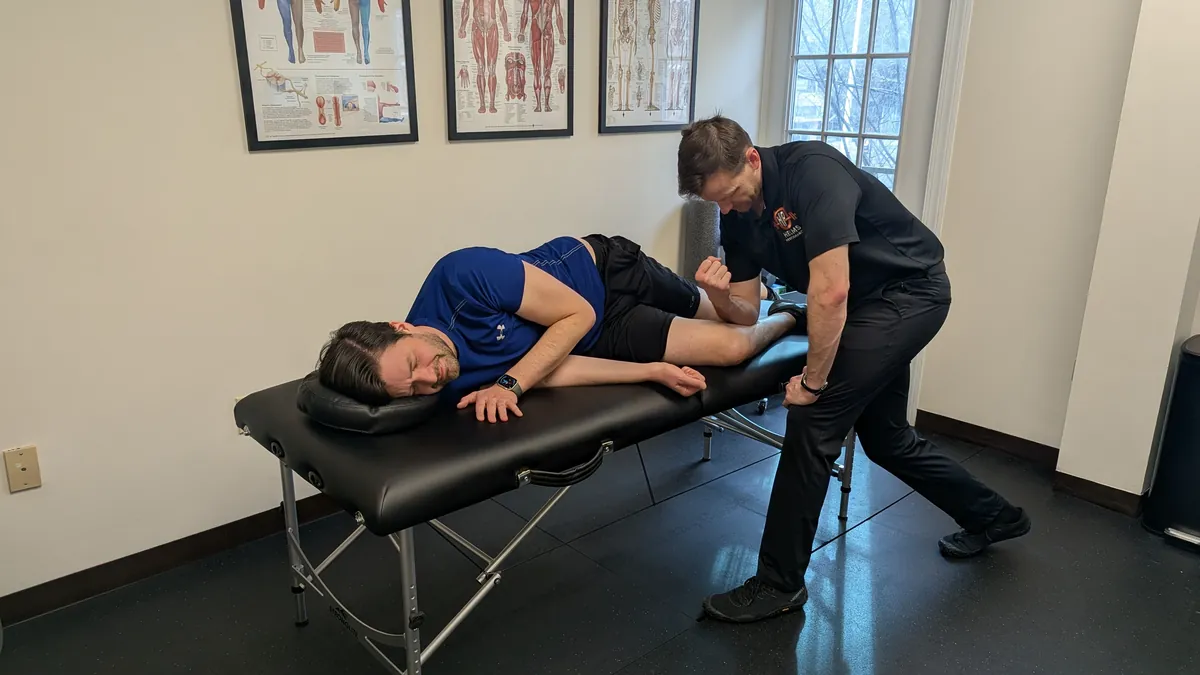
Therapeutic massage adductor treatment at Helms Performance in Bethesda, MD
Goal-directed massage therapy
One-on-one every visit
Same-day appointments available
Steps from Bethesda Metro

Relieve Pain

Therapeutic massage increases circulation, releases muscle tension, and addresses the soft tissue contributors to chronic and acute pain, whether from an injury, overuse, or daily life.

Restore Movement

Tight muscles and restricted tissue limit how you move. Massage releases that tension so your body can move through its full, natural range, without compensation or guarding.

Rebuild Strength

When your muscles are no longer fighting against tightness and pain, you can train, recover, and build strength more effectively, and keep doing the things that matter to you.

What Is Therapeutic Massage?

Massage With a Clinical Goal, Not Just Relaxation

Therapeutic massage is a category of hands-on soft tissue treatment directed at a specific clinical problem. Before a single technique is applied, Dr. Helms assesses your tissue presentation, including where the tension lives, how it responds to pressure, and what structures are contributing to your pain or restriction. The technique, depth, and rhythm of the session are chosen from that assessment, not from a preset menu.

At Helms Performance in Bethesda, therapeutic massage works alongside sports chiropractic and physical therapy. Soft tissue work before a chiropractic adjustment makes the joint more receptive. Massage after dry needling supports the muscle's recovery. The combination is what produces lasting results, not any single modality on its own.

Whether you are a desk worker with upper back tension that stretching alone won't touch, a runner managing tight calves between training cycles, or someone recovering from an injury who needs their tissue to move freely again. Therapeutic massage here has a purpose built around your situation.

1
Assessment-Guided Technique Pressure and approach are chosen based on what Dr. Helms finds in your tissue, not a one-size template
2
Increases Circulation Brings fresh blood flow to tight, restricted tissue to support healing and reduce soreness
3
Releases Muscle Tension Addresses tightness in the muscle belly, tendons, and surrounding fascia
Therapeutic massage vs. spa massage

A spa massage prioritizes relaxation, uses a standard protocol, and is not designed to treat a specific problem. Therapeutic massage is guided by clinical assessment, adapts to your injury history and current symptoms, and has measurable goals. Both have value. They are different tools for different purposes.

Therapeutic Massage vs. Deep Tissue vs. Spa Massage

Therapeutic Massage
  • GoalTreat a specific problem: pain, tension, restricted movement, post-injury recovery, or performance maintenance
  • AssessmentEvery session guided by clinical findings, your symptom history, and tissue response
  • Pressure & DepthAdapted based on what your tissue needs that day, ranging from targeted light work to firm sustained pressure
  • Techniques usedMay include deep tissue, sports massage, soft tissue mobilization, myofascial release, or ART, depending on the presentation
  • Best forChronic pain, sports recovery, desk workers, post-injury rehab, movement restriction
Spa / Relaxation Massage
  • GoalGeneral relaxation, stress relief, and comfort: a pleasant experience, not a clinical outcome
  • AssessmentStandard protocol; not driven by clinical findings or symptom history
  • Pressure & DepthTypically lighter, flowing strokes at a consistent depth throughout
  • Techniques usedSwedish massage is the most common approach: long, flowing strokes designed for relaxation
  • Best forStress reduction, general wellness, relaxation as a standalone experience

Where does deep tissue fit? Deep tissue massage is a specific technique within therapeutic massage, not a separate category. It uses slower, more sustained pressure to access deeper layers of muscle and connective tissue. At Helms Performance, Dr. Helms may use deep tissue work as part of your therapeutic massage session when that is what your tissue needs, alongside techniques like Active Release Technique, sports massage, or myofascial release.

Techniques We Use

Massage Techniques Matched to Your Needs

No two sessions are identical. The approach depends on what your body needs that day, from recovery work after a hard training week to targeted treatment for a specific area of pain.

Deep Tissue Massage

Slower, more targeted pressure into the deeper layers of muscle and connective tissue. Used for chronic tension patterns and areas of significant restriction that lighter work won't reach.

Active Release Technique (ART)

A movement-based technique combining precise tension with active motion to treat overused muscles, tendons, fascia, and nerves. Especially effective for repetitive strain and sports injuries.

Learn more

Sports Massage

Designed around athletic demands, whether that means pre-event preparation, post-event recovery, or maintenance during a training cycle. Works for recreational athletes and weekend warriors alike.

Soft Tissue Mobilization

A more clinical, movement-based approach that addresses how soft tissue responds during specific ranges of motion. Often used alongside physical therapy exercises to reinforce movement gains.

Myofascial Release

Sustained pressure into the fascial layer surrounding muscles and organs. Addresses the connective tissue contributors to restriction and pain that other techniques may not fully reach.

Learn more
Who It Helps

What Therapeutic Massage Can Help With

Therapeutic massage supports a wide range of soft tissue conditions. Whether you are an athlete managing a training load, a desk worker carrying chronic tension, or someone rebuilding after an injury, there is a place for you here.

Your First Visit

What to Expect From Your First Appointment

Your first session starts with a conversation. We want to understand what is going on before we put hands on you so the work is directed at what you actually need.

  1. Intake and Goals

    We discuss your current concerns, injury history, and what you are hoping to get out of the session. This shapes every decision that follows: technique, depth, and focus area.

  2. Technique Selection

    Based on your goals and tissue presentation, we select the approach (deep tissue, Active Release Technique, sports massage, or a combination) and set the appropriate depth and pressure.

  3. The Session

    Pressure is adjusted throughout based on your feedback. You are never expected to push through discomfort. The session works best when communication is open and honest.

  4. Aftercare and Next Steps

    We discuss what we found, what to expect in the hours after, and whether follow-up sessions or additional services like dry needling or chiropractic care would help.

What Patients Are Saying

Real People, Real Results

From desk workers and runners to retirees and competitive athletes. Here is what patients say about their experience at Helms Performance.

"I had been carrying upper back tension from working at a desk for years. After a few sessions, the tightness that had felt permanent finally started to let go. Dr. Helms was thorough, asked the right questions, and the massage was nothing like the spa massages I had tried before."

R.T. Bethesda, MD · Desk worker, chronic upper back pain

"I came in during marathon training with tight calves and hamstrings that were not responding to foam rolling or stretching. The combination of massage and chiropractic work made a real difference. I finished the race healthy and I have kept coming back ever since."

M.S. Chevy Chase, MD · Recreational marathon runner

"I am in my early 60s and had been writing off my hip tightness as just part of getting older. Turns out it was not. The therapeutic massage combined with the other work Dr. Helms does made a noticeable difference in how I move every single day."

P.A. Bethesda, MD · Active retiree, hip and low back pain

Reviews reflect individual patient experiences. Results vary. See all reviews on Google

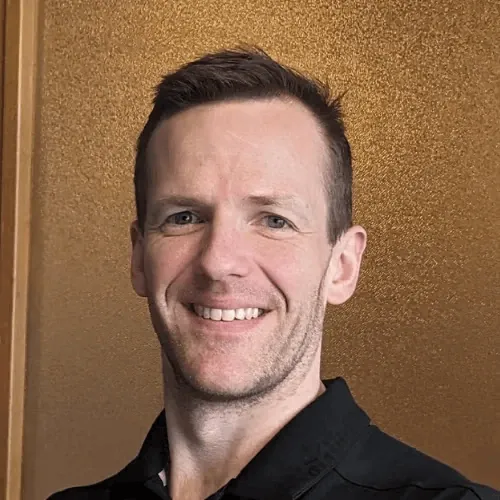
Dr. Paul Helms, sports chiropractor at Helms Performance in Bethesda, MD
Dr. Paul Helms Sports Chiropractor, Bethesda MD
Your Provider

Dr. Paul Helms

NFL & NBA Athletes treated
2-in-1 Chiro + PT under one roof
1-on-1 Every single appointment

Dr. Helms has worked with patients ranging from desk workers and recreational runners to professional athletes in the NFL and NBA. His practice is built to welcome everyone. Therapeutic massage is one of the tools he draws on when soft tissue work is the right fit for what a patient needs.

At Helms Performance, therapeutic massage is never siloed. It is coordinated with chiropractic care, physical therapy, and other services so that each piece supports the others. Every appointment is one-on-one, and every plan is specific to you.

  • Doctor of Chiropractic
  • Licensed in dry needling
  • Sports physical therapy training and application
  • Certified in Active Release Technique and Fascial Stretch Therapy
  • Experience with patients ranging from weekend runners to NFL and NBA athletes
  • Located at 7625 Wisconsin Ave, Suite 219, Bethesda, MD 20814
Learn About Dr. Helms
Common Questions

Therapeutic Massage FAQs

Answers to the questions we hear most often before a first session.

What is therapeutic massage and how is it different from a regular massage?

Therapeutic massage uses soft tissue techniques with a specific clinical goal, such as reducing muscle tension, improving circulation, addressing a pain pattern, or supporting recovery. The technique, pressure, and focus area are chosen based on your symptoms and history. A spa or relaxation massage uses a standard protocol designed primarily for comfort. Both are valid, but therapeutic massage is designed to treat a problem, not just provide a pleasant experience.

What is the difference between therapeutic massage and deep tissue massage?

Deep tissue massage is one technique used within therapeutic massage, not a separate category. It applies slower, more targeted pressure into the deeper layers of muscle and connective tissue. Therapeutic massage is the broader category that may include deep tissue work, trigger point therapy, sports massage, or a combination depending on what your body needs. Deep tissue is not always the right choice, and it is more specific rather than simply harder. At Helms Performance, the technique is chosen based on what your tissue actually needs, not a blanket preference for "deep work."

What is the difference between therapeutic massage and Swedish massage?

Swedish massage uses long, flowing strokes to promote general relaxation and circulation. It is an effective technique and can be part of a therapeutic massage session. The distinction is purpose: Swedish massage follows a set pattern designed for overall relaxation, while therapeutic massage adapts the technique and depth to your specific presentation and clinical goals.

How often should I get a therapeutic massage?

It depends on what you are working on. For acute pain or recovery from an injury, more frequent sessions in the early weeks are common. For general maintenance and recovery support, many patients do well with a session every two to four weeks. Dr. Helms will give you a straightforward recommendation after your first visit based on what he finds, not an open-ended course of care designed to keep you coming back indefinitely.

Can therapeutic massage be combined with other services at Helms Performance?

Yes, and often it works best that way. Therapeutic massage pairs well with chiropractic adjustment, dry needling, Active Release Technique, and physical therapy. Soft tissue work before an adjustment can make the joint more responsive. Massage after dry needling can support the recovery process. Dr. Helms will recommend the combination that makes the most sense for your situation.

Ready to Feel and Move Better?

Whether you are carrying chronic tension, recovering from training, or dealing with pain you have been putting up with for too long, we will help you get back to the activities you love. Book a visit at Helms Performance in Bethesda.

Book An Appointment

Or call 301-578-5197 to speak with our team