Active Release Technique ยท Bethesda, MD

Active Release Technique
Near You in Bethesda, MD

Scar tissue buildup, chronic muscle tightness, overuse injuries that keep coming back. Active Release Technique works directly on the restriction, not just the symptoms. Whether you are a runner, a desk worker carrying chronic neck tension, or anyone dealing with pain that has not responded to rest, Dr. Paul Helms can help you move freely again.

One-on-one with Dr. Helms | Sports chiro + physical therapy | Bethesda, MD
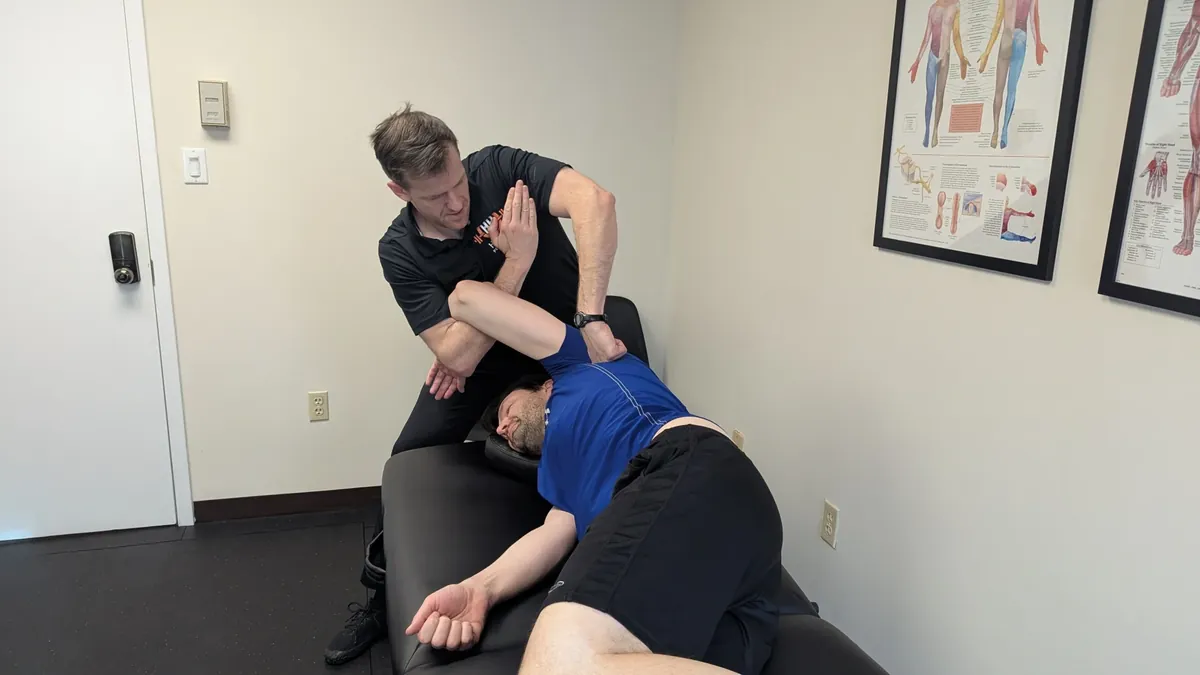
Active Release Technique shoulder treatment at Helms Performance in Bethesda, MD
One-on-one every visit
Same-day appointments available
Bethesda, MD (walk from Metro)
2โ€“4 Visits for most patients to notice meaningful improvement
100% One-on-one with Dr. Helms, every appointment
500+ Certified ART protocols for muscles, tendons, nerves, and fascia
24โ€“48h Typical resolution time for any post-treatment soreness

Relieve pain

ART breaks up scar tissue and releases adhesions that keep muscles and nerves locked up, targeting the source of pain rather than managing the symptoms.

Restore movement

Once restricted tissue releases, normal glide returns to muscles, tendons, and nerves, restoring the range of motion that tight adhesions have been limiting.

Rebuild strength

With the restriction cleared, Dr. Helms builds in the corrective movement work that prevents the adhesion from coming back and keeps you moving well long term.

What Is Active Release Technique?

A Hands-On Soft Tissue Treatment for Muscle Pain and Restriction

Active Release Technique (ART) is a hands-on soft tissue treatment that addresses problems with muscles, tendons, ligaments, fascia, and nerves. During a session, Dr. Helms applies precise pressure to the affected area while you move through a specific range of motion, a combination that releases adhesions and restores the way tissues glide and move.

Adhesions form from overuse, injury, or repetitive movement. Over time they cause pain, stiffness, and limited motion that stretching or rest alone will not resolve. ART works directly on those restrictions to help your body move freely again.

At Helms Performance, ART is one part of a complete approach. Dr. Helms combines it with sports chiropractic and physical therapy to address not just where you hurt, but why.

1
Restriction Identified Dr. Helms locates the adhesion through hands-on evaluation of the affected muscle, tendon, or nerve
2
Pressure Applied While You Move Targeted tension is maintained on the tissue as you move through a specific range of motion: this is what makes ART different from massage
3
Tissue Releases and Heals The adhesion breaks up, circulation returns, and normal tissue glide is restored
Active Release Technique vs. Graston Technique

Both treat soft tissue restrictions, but the approach differs. Graston uses metal instruments to scrape the tissue surface. ART uses the provider's hands with active patient movement, targeting adhesions in muscles, tendons, ligaments, fascia, and nerves with greater precision for the specific restriction.

Who It Helps

Conditions We Treat With Active Release Technique

ART can help relieve pain and restore movement across a wide range of soft tissue conditions. Whether you are a runner dealing with a recurring injury or a desk worker carrying chronic neck and shoulder tension, we can help.

How It Compares

Active Release Technique vs. Graston vs. Massage

Not sure which soft tissue treatment is right for you? Here is how ART differs from the other common options, and why the distinction matters for your recovery.

ART vs. Graston vs. Therapeutic Massage

Active Release Technique
  • MethodProvider's hands with active patient movement
  • Patient involvementActive movement required throughout
  • What it treatsMuscles, tendons, ligaments, fascia, and nerves
  • Targets adhesionsPrecise, location-specific
  • Best forOveruse injuries, nerve entrapment, chronic restriction, post-injury scar tissue
  • Typical visits2 to 6 visits for most conditions
Graston Technique
  • MethodStainless steel instruments scraped over tissue
  • Patient involvementUsually passive
  • What it treatsMuscles and tendons; limited nerve work
  • Targets adhesionsYes, via instrument detection
  • Best forSoft tissue fibrosis, chronic scar tissue near the surface
  • Typical visits4 to 8 visits
Therapeutic Massage
  • MethodProvider's hands, patient stays passive
  • Patient involvementPassive throughout
  • What it treatsMuscles only
  • Targets adhesionsIndirect, broad tissue release
  • Best forGeneral muscle tension, stress, and relaxation
  • Typical visitsOngoing for maintenance

Dr. Helms may use more than one technique depending on what your body needs. ART is often combined with chiropractic adjustments and corrective exercise for a more complete result.

Is ART Right for You?

Active Release Technique Is for More People Than You Might Think

ART is not just for competitive athletes. If soft tissue restriction is limiting your movement or causing pain, whatever your age, activity level, or starting point, it may be exactly what you need.

Runners and cyclists

IT band pain, plantar fasciitis, hip flexor tightness, and overuse injuries that keep returning between training cycles.

Desk workers

Chronic neck and shoulder tension, thoracic stiffness, and wrist tightness from prolonged sitting and repetitive keyboard use.

Post-injury recovery

Scar tissue from a previous strain, sprain, or surgery that is now limiting your return to full function and activity.

Active older adults

Chronic stiffness, limited mobility, and long-standing muscle restrictions that have gradually made everyday movement harder over time.

CrossFitters and gym-goers

Shoulder impingement, hip flexor tightness, and elbow tendinopathy from high-volume training and heavy loading patterns.

When nothing else has worked

If rest, stretching, or massage has not helped and pain keeps returning, there is a good chance adhesions are the cause. ART addresses the restriction directly.

Your First Visit

What to Expect From Your First Appointment

Your first session is both an evaluation and a treatment. Dr. Helms finds the restriction, treats it, and guides you through the movements that help release it, all in a single visit. Most patients notice a difference before they leave.

  1. Hands-on Evaluation

    Dr. Helms assesses your movement and locates the restricted tissue, identifying which muscles, tendons, or nerves are involved and why.

  2. Active Release Technique Treatment

    Precise pressure is applied to the adhesion while you move through a guided range of motion. You may feel a brief stretch or mild discomfort, a sign that the restricted tissue is releasing.

  3. Therapeutic Exercise

    Dr. Helms often follows ART with corrective exercises to reinforce the tissue release and address the movement pattern driving the problem.

  4. Your Recovery Plan

    You leave with a clear picture of what is causing your pain, a realistic timeline, and a plan built around your specific goals and activity level.

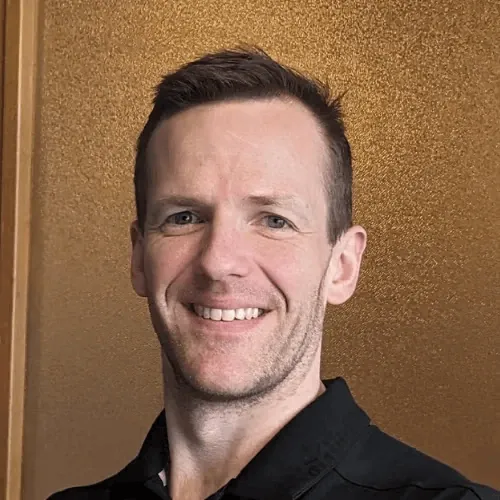
Dr. Paul Helms, sports chiropractor and physical therapist at Helms Performance in Bethesda, MD
Dr. Paul Helms Sports Chiropractor, Bethesda MD
Your Provider

Dr. Paul Helms

Dr. Helms has advanced training in Active Release Technique and has worked with patients ranging from weekend runners and desk workers to professional athletes in the NFL and NBA. His practice is built to welcome everyone. If pain is limiting your life, you are in the right place.

He combines ART with sports chiropractic and physical therapy to find the root cause of your pain, not just manage its symptoms. Every appointment is one-on-one, and every treatment plan is built around your specific goals and activity level.

  • Doctor of Chiropractic
  • Licensed in dry needling
  • Sports physical therapy training and application
  • Certified in Active Release Technique and Fascial Stretch Therapy
  • Experience with patients ranging from weekend runners to NFL and NBA athletes
  • Located at 7625 Wisconsin Ave, Suite 219, Bethesda, MD 20814
Learn About Dr. Helms
Common Questions

Active Release Technique FAQs

Answers to what patients ask most often before their first visit.

Does Active Release Technique work?

Yes, and it works especially well for conditions that have not responded to rest, stretching, or conventional massage. ART is most effective when the problem involves scar tissue or adhesions: the kind of restriction that forms from overuse, injury, or repetitive movement. By applying precise pressure to the restricted tissue while you actively move through it, ART clears the adhesion in a way that passive treatment cannot replicate. Most patients notice meaningful improvement within 2 to 4 visits.

Why does Active Release Technique hurt?

You may feel a brief, deep pressure or stretch during treatment; that discomfort comes from working on the actual adhesion. It is different from sharp pain, and it passes quickly. Dr. Helms works within your tolerance throughout every session. Most patients find that the temporary discomfort is well worth it, and many describe a noticeable sense of release immediately after. Any post-treatment soreness typically resolves within 24 to 48 hours.

What does Active Release Technique feel like?

ART feels different from a massage. Instead of broad strokes, you will feel targeted, firm pressure on a specific spot in the muscle or tendon while Dr. Helms guides you through a movement. As the restricted tissue releases, patients often describe a sensation of something letting go, followed by improved range of motion they can feel right away. The experience varies by area and by how long the restriction has been present, but most patients leave feeling noticeably looser than when they arrived.

How often should Active Release Technique be done?

For most conditions, one to two sessions per week is appropriate to start. The total number of visits depends on how long the problem has been present and how your body responds. Chronic issues or long-standing scar tissue typically take longer to clear than acute injuries. After your first appointment, Dr. Helms will give you a specific plan, not an open-ended schedule.

What is the difference between Active Release Technique and Graston Technique?

Both are soft tissue techniques that treat adhesions and scar tissue, but the method is different. Graston uses stainless steel instruments to detect and break up restrictions by scraping across the tissue surface. ART uses the provider's hands with active patient movement: you move through a range of motion while Dr. Helms maintains precise pressure on the adhesion. ART also treats nerves and fascial structures in addition to muscles and tendons. The right approach depends on the specific problem; Dr. Helms may use both on the same patient.

How much does Active Release Technique cost?

Helms Performance operates on a private-pay model, which means treatment is not billed through insurance. This allows every session to be fully one-on-one with Dr. Helms, with no rushed appointments and no hand-offs. Visit the Pricing page on the website for current session rates, or call us at 301-578-5197 and we will walk you through your options before you book.

Ready to Move Without the Restriction?

Whether you are dealing with a nagging overuse injury, chronic tightness that will not quit, or pain that has not responded to anything else, we will help you get back to the activities you love. Book a visit with Dr. Helms in Bethesda.

Book An Appointment

Or call 301-578-5197 to speak with our team