Lower right back pain is most often caused by a strained muscle, an irritated joint in the lower spine or pelvis, or a disc pressing on a nerve. Less often, it comes from an organ such as the kidney. Pain that changes when you move, bend, or sit is usually musculoskeletal. Steady pain that never changes deserves a check with your physician.
Lower right back pain is not one thing. Whether it started after a long weekend of yard work, a hard tennis match, or nothing you can remember, the exact spot and the way it behaves are useful clues. They help separate the common, very treatable causes from the less common ones that need a different kind of care.
In my practice at Helms Performance in Bethesda, MD, most people who come in with one-sided low back pain have a muscle or joint problem. I see it in desk workers, new parents lifting car seats, and runners building mileage. The first step is always working out which structure is involved.
Lower right back pain that changes with movement is usually a muscle, joint, or disc problem, while steady pain with fever, urinary changes, or nausea points to something your physician should check.
What Does Lower Right Back Pain Usually Mean?
Here are the most common patterns I look for. They are clues to discuss with a provider, not a self-diagnosis.
| Likely source | How it tends to feel |
|---|---|
| Muscle strain | A dull ache or spasm beside the spine, worse when you bend or twist, better with gentle movement |
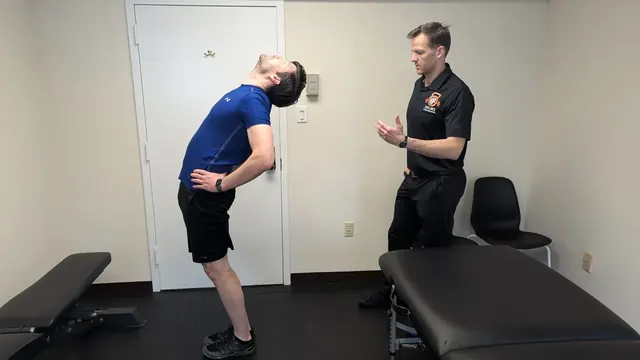
| Facet joint | A sharp, local spot that hurts when you lean back or turn toward the right |
| Sacroiliac (SI) joint | Pain low near the dimple above the buttock, often worse with stairs or rolling in bed |
| Disc and nerve | Back pain with pain, tingling, or numbness running down the right leg |
| Kidney or other organ | Steady or wave-like pain that does not change with position, often with other symptoms |
Muscle and joint causes often show up together. A stiff joint can make the muscles around it guard and tighten.
What Muscle and Soft Tissue Problems Cause It?
The most common cause is a strain or spasm in the muscles that run along the spine or connect the lower ribs to the pelvis. The quadratus lumborum, a deep muscle on each side of the lower back, is a frequent source of one-sided pain. It works hard when you lean, carry a bag on one side, or stand with your weight on one leg.
These strains often follow a quick twist, an awkward lift, or a sudden jump in activity. The pain can be sharp at first, then settle into a deep ache. It usually feels better once you get moving and worse after sitting still for a long time.
Muscle pain tends to improve within a few days to a few weeks. Staying gently active, such as easy walks through the day, usually helps more than resting in bed.
When Are the Disc and Nerves Involved?
The discs are the cushions between the bones of the spine. When one bulges or tears, it can irritate a nearby nerve root. If that nerve is on the right side, you may feel pain, tingling, or numbness down the back or side of your right leg. This is sciatica.
Disc pain often gets worse with sitting, bending forward, coughing, or sneezing. Many disc problems improve on their own over several weeks to months, especially with the right movement plan. Our sciatica treatment in Bethesda, MD page explains how we approach it.
Weakness in the leg or foot, or numbness that keeps spreading, is a reason to get evaluated soon rather than waiting it out.
When Does Lower Right Back Pain Point to Something Else?
Some organs sit close to the lower right back, so pain there is not always from the spine. The key difference is that organ pain usually does not change when you move, stretch, or change position. See your physician promptly if your pain comes with any of these:
- Kidney stone. Severe pain in waves, often higher up under the ribs, that may spread toward the groin. You may not be able to get comfortable in any position, and you may see blood in your urine.
- Kidney infection. Fever, chills, burning with urination, or needing to urinate more often.
- Appendicitis. Pain that usually starts near the belly button and moves to the lower right abdomen, with nausea, fever, or loss of appetite.
- Pelvic causes. In women, endometriosis, ovarian cysts, or pregnancy can cause pain in the lower right back.
Also see a physician the same day if you have numbness in the groin or inner thighs, or new trouble controlling your bladder or bowels.
When Should You See a Chiropractor or Physical Therapist?
Book an evaluation if your pain changes with movement and has not clearly improved after one to two weeks, keeps coming back, or travels down your leg. You do not need a referral to start.
Your first visit at Helms Performance is a full hour. I check how your lower back, pelvis, and hips move, test the nerves in your legs, and find which movements bring on your pain. Because we offer both sports chiropractic and sports physical therapy under one roof, your plan can include:
- Chiropractic adjustments. Gentle, specific joint work to restore motion in a stiff facet or SI joint. Our sports chiropractor page explains what to expect.
- Active Release Technique. A massage and movement-based technique that treats problems with muscles, tendons, ligaments, fascia, and nerves. It works well on a tight quadratus lumborum or hip muscles.
- Sports physical therapy. A short, progressive exercise plan to strengthen the hips and trunk so the pain is less likely to return.
Every visit is a full hour at a flat fee of $165. Learn more about our back pain treatment in Bethesda, MD.
Dr. Paul Helms is a sports chiropractor at Helms Performance in Bethesda, MD, with advanced training in Active Release Technique, dry needling, and sports physical therapy. He works with patients across the whole range, from desk workers and retirees to professional athletes in the NFL and NBA.
Dr. Paul's Final Thoughts
Lower right back pain is common, and most of the time it comes from a muscle, joint, or disc that will respond to the right care. Pay attention to how it behaves. If it changes with movement, you are most likely dealing with a mechanical problem. If it stays the same no matter what you do, or comes with fever or urinary changes, check with your physician first.
Whether you want to lift your grandkids without wincing or get back on the tennis court, we will help you get back to work, back in the game, and back to the activities you love.