Virtual physical therapy works well for most of the problems that send people to a physical therapist in the first place, and it falls short for a specific few. That is the honest version of the answer.
Whether you are a lifter whose shoulder has been complaining for a month, or someone whose lower back tightens up every afternoon at a desk, the useful question is not whether virtual care works in general. It is whether it works for your particular problem. In my practice at Helms Performance in Bethesda, MD, I have found that the answer comes down to what is actually driving the pain.
Below is a straight look at what the research suggests, where virtual physical therapy genuinely performs, where it does not, and how to tell which category you fall into before you spend money finding out.
Does Virtual Physical Therapy Actually Work?
For a wide range of common musculoskeletal problems, studies comparing telehealth physical therapy with in-person care have generally found similar outcomes in pain and function. That includes conditions like low back pain, knee osteoarthritis, and post-operative rehabilitation, where much of the benefit comes from a well-designed exercise program and a professional who adjusts it over time.
That finding surprises people, and I understand why. It sounds like the hands-on part must be doing most of the work. But when you look at what actually changes an injury over weeks, the picture shifts:
- The diagnosis drives the plan. Working out why your knee hurts matters more than what happens to it for twenty minutes on a table. Most of that reasoning comes from your history and watching you move.
- Exercise does the heavy lifting. Loading tissue progressively is what builds capacity. That happens between visits, at home, whether you were treated in a clinic or on a screen.
- Adjustment over time is the real skill. Knowing when to progress, when to back off, and when to change direction is what separates a plan from a handout.
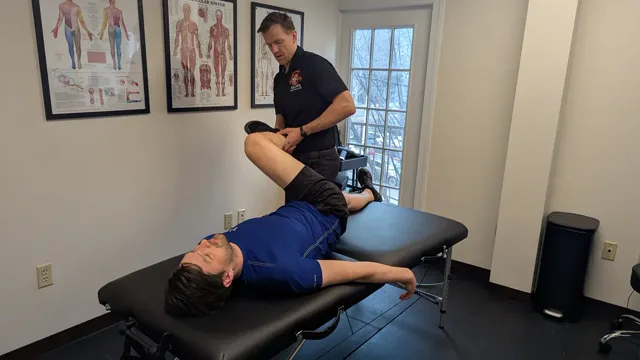
Hands-on treatment is genuinely valuable, and I use it every day in the clinic. It is very good at reducing pain in the short term, which makes the exercise work more tolerable. What it is not is the entire mechanism of recovery.
Where Virtual Physical Therapy Performs Well
Some problems are a natural fit for video. These tend to be the ones driven by how you load your body rather than by something that needs to be felt to be understood.
- Training-load injuries. Runner's knee, Achilles pain, shin splints, and most overuse problems come down to doing too much too soon. Fixing that is a programming conversation.
- Recurring low back pain. Especially the kind tied to sitting, lifting mechanics, and hip strength.
- Return to sport after an injury. Graded progressions are easy to coach and easy to check on camera.
- Desk-related neck and shoulder pain. A virtual visit has one real advantage here: I can see your actual workstation instead of hearing a description of it.
- Ongoing progression. Once a plan exists, adjusting it every couple of weeks does not require a table.
Where It Falls Short
I would rather tell you this before you book than after. Virtual care is a poor fit in a few situations:
- When you need hands-on treatment. Joint mobilization, Active Release Technique, and dry needling require a provider in the room. There is no video substitute.
- New, acute, or severe injuries. A joint that gave way, significant swelling, or pain that is getting worse quickly deserves an in-person evaluation.
- Anything with red flags. Numbness that is spreading, loss of bowel or bladder control, unexplained weight loss, or pain that wakes you every night needs prompt in-person medical care, not a virtual appointment.
- When you will not do the work. This one is not clinical, but it is real. Virtual care depends on you following through between sessions.
If you fall into one of the first three groups, our sports physical therapy in Bethesda is the better starting point.
The Honest Trade-Off
The thing virtual care gives up is touch. A skilled provider learns a lot from feeling how a joint moves and how tissue responds, and that information is genuinely useful.
What virtual care gives you in exchange is access and consistency. You get seen in days instead of weeks. You do not lose two hours to travel. You are far more likely to keep a standing appointment when it costs you thirty minutes rather than an afternoon. Over a twelve week rehab, showing up consistently tends to matter more than any single hands-on session.
The best care is the care you actually complete. A virtual plan you follow for three months beats an in-person plan you abandon after two visits because of the drive.
How to Tell If It Will Work for You
Here is a quick self-check I walk people through before they book.
- Is your pain new and severe, or ongoing and familiar? New and severe leans in person. Ongoing and familiar is a good virtual candidate.
- Does it change with activity? Pain that clearly relates to training, sitting, or a specific movement is usually a loading problem, which coaches well over video.
- Have you had it looked at before? If you have a diagnosis and need help executing, virtual care is often ideal.
- Do you have space, a device, and thirty minutes? Practical, but it matters.
- Will you do the exercises? Be honest here. It is the single biggest predictor of whether this works.
If you are unsure, a first virtual visit is a low-risk way to find out. If your problem needs hands-on care, I will say so during that visit rather than selling you a plan that will not help.
Final Thoughts from Dr. Helms
Virtual physical therapy is not a watered-down version of the real thing, and it is not a replacement for every kind of care. It is a different tool with a different set of strengths. For problems driven by load, movement, and strength, which is a large share of what walks through my door, it works about as well as being in the room, and it fits into people's lives far better.
The wrong question is whether virtual PT is as good as in-person. The right question is which one solves your problem. If you would like a straight answer about your situation, book a visit and we will sort it out together. You can read more about how our virtual visits run on the telehealth physical therapy page.