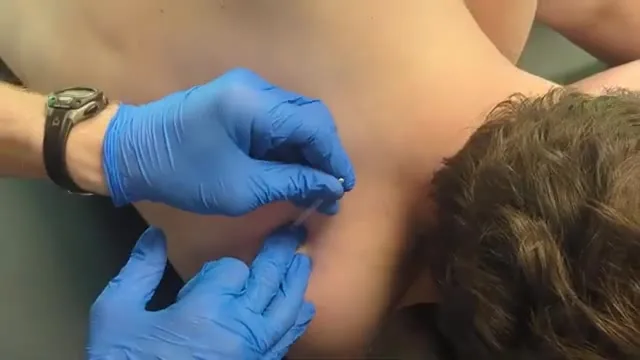
Dry needling does not usually hurt the way people expect. The needle is thin enough that most patients barely feel it enter. What you may notice is a brief, deep twitch or cramp as the muscle releases, lasting a second or two, followed by mild soreness for a day.
If you have ever wondered does dry needling hurt before booking a session, you are asking exactly the right question, and you are far from alone. Whether you are a runner eyeing your first treatment for a stubborn calf or a grandparent hoping to ease a knotted shoulder, the thought of a needle going into a sore muscle is enough to make anyone hesitate. Here is an honest, friendly look at what dry needling actually feels like, what is normal afterward, and how to walk in prepared instead of nervous.
Does Dry Needling Hurt? The Honest Answer
In my practice at Helms Performance in Bethesda, MD, the most common thing patients tell me after a first treatment is some version of, "That was not what I expected." Most people brace for a sharp, lingering sting. What they usually feel instead is a quick twitch followed by a dull ache that fades within seconds.
The reason comes down to the tool. Dry needling uses a thin, sterile filament, far finer than the needle used to draw blood. Because it is so fine, the insertion through the skin is often barely noticeable. The sensation people do notice is not the needle passing through the skin. It is the muscle itself responding when the filament reaches a tight spot.
Here is what most patients describe, in their own words:
- A quick twitch or jump in the muscle, over almost before they register it
- A deep, achy heaviness for a moment, more pressure than pain
- A sense of release once the muscle lets go, often with looser movement right after
Curious but a little hesitant? We are happy to walk you through a session before you commit.
Book An AppointmentDuring the Session: Muscle Twitch vs. Pain
When the filament reaches a tight muscle knot, called a trigger point, the muscle often answers with a brief involuntary twitch. We call this a local twitch response, and it is a good sign. It tells us the treatment found the right spot. That twitch can feel surprising the first time, but it is quick and it is not the same as sharp pain.
A trigger point is a small band of muscle that has stayed tense and is referring discomfort to other areas, like the knot in your upper shoulder that aches up into your head. Because that tissue is already irritated, it can be tender when treated. The feeling is usually described as a deep cramp that releases rather than a sting that lingers. Most people relax within the first few minutes once they know what to expect.
If you ever feel genuinely sharp or electric pain during treatment, that is worth speaking up about right away. Dr. Helms adjusts as he goes, and the goal is always relief, never gritting through it. You stay in control of the session the entire time.
After the Session: Normal Soreness vs. a Warning Sign
The most common after-effect is mild soreness, a lot like how you feel the day after a good workout. It usually shows up in the treated area, lasts 24 to 48 hours, and then eases on its own. Light bruising can happen too, especially in spots with more blood flow like the calves. None of that means anything went wrong. It is a normal part of how the muscle settles and heals.
A few simple things help the soreness pass more comfortably:
- Drink plenty of water through the rest of the day
- Keep moving gently rather than sitting still for hours
- A warm shower or light heat on the area can feel good
- Skip an intense workout that same day and let the muscle recover
Warning signs are uncommon, but it helps to know them. Fainting feelings during treatment, a spreading rash, significant swelling, or soreness that grows worse instead of better after a couple of days are all worth a call. If anything feels off, reach out to us or your doctor. This article explains what is typical, but it is not a substitute for a hands-on evaluation of your specific situation.
Who Tends to Find Dry Needling More Uncomfortable
Comfort varies from person to person, and a few patterns are worth naming honestly. People who are brand new to dry needling often feel the most nervous, which can make muscles tense and the experience feel sharper. The good news is that the second visit almost always feels easier once the mystery is gone.
Certain areas tend to be more sensitive than others, including the calves, the feet, and the muscles around the shoulder blades. Highly irritated or very tight muscles can also be more tender simply because they are already cranky. Whether you are a CrossFitter with a guarded shoulder or a desk worker whose neck has been locked up for weeks, Dr. Helms can start gently and build from there. There is no prize for pushing through more than you are comfortable with.
For most people, dry needling is more surprising than painful. A quick twitch, a deep ache, then release, followed by workout-style soreness that fades in a day or two.
How to Prepare for Your First Session
A little preparation goes a long way toward a calm, comfortable visit. None of this is complicated, and Dr. Helms will guide you through each step anyway.
- Eat a normal meal beforehand so you are not lightheaded
- Drink water in the hours before your visit
- Wear comfortable clothing that lets us reach the area being treated
- Share any concerns, your pain history, and whether you take blood thinners
- Plan to take it easy for the rest of the day rather than scheduling a hard workout
Most of all, know that you can ask questions at any point. If you want to understand how the treatment works before you try it, our guide to dry needling vs. acupuncture is a helpful next read, and you can learn what a visit looks like on our dry needling service page. If your discomfort is centered in one area, our neck pain resources may help too.
Final Thoughts from Dr. Helms
The worry behind "does dry needling hurt" is completely understandable, and I would rather you ask than quietly talk yourself out of care that could help. In my experience, the gap between what people fear and what they actually feel is wide. Most leave a little surprised, a little looser, and far less anxious about the next visit.
Dry needling is rarely the whole plan on its own. At Helms Performance, we pair it with hands-on care and a few targeted exercises so the relief lasts. If you are dealing with a stubborn muscle that will not let go, whether from training, work, or simply life, we are glad to talk it through and help you decide if dry needling is the right fit for you.