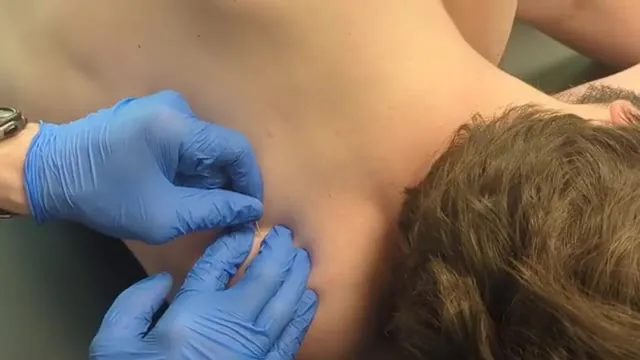
Dry needling and acupuncture both use thin needles, but they come from different traditions and target different things. Dry needling is a Western technique that places a needle into a tight band of muscle, called a trigger point, to help it release. Acupuncture is rooted in traditional Chinese medicine and places needles along meridian points.
Maybe a friend swears acupuncture finally calmed their lower back. Maybe your running coach told you dry needling loosened up a stubborn calf. The two sound a lot alike, they both involve thin needles, and the names get used as if they mean the same thing. They do not. Whether you are training for a 10K or simply trying to garden without your shoulder flaring up, here is a clear, friendly breakdown of how dry needling and acupuncture differ, and how to pick the one that fits what you need.
The short answer
Dry needling and acupuncture both place thin, sterile filaments into the body. That is where the similarity ends. They come from different traditions, they aim at different things, and the people who perform them train in different ways.
- Dry needling comes from Western sports medicine. It targets tight, knotted muscle to relieve pain and restore movement.
- Acupuncture comes from traditional Chinese medicine. It works with the body's energy pathways to support balance and overall wellness.
Same tool, different map. Dry needling follows muscle and anatomy. Acupuncture follows energy meridians.
What is dry needling?
Dry needling is a treatment where a thin, sterile filament is placed directly into a tight muscle knot, called a trigger point, to help that muscle release. A trigger point is a small band of muscle that has stayed tense and is referring pain to other areas. Think of the knot in your upper shoulder that aches up into your head, or the tight spot in your calf that never quite lets go.
When the filament reaches the trigger point, the muscle often responds with a quick twitch and then a sense of release. That twitch is a good sign. It tells us the treatment found the right spot. After the muscle lets go, blood flow improves, tension eases, and movement usually feels freer.
Dry needling is grounded in Western anatomy and how muscles, nerves, and connective tissue actually behave. It tends to be the more direct choice for a specific muscle problem: a desk worker's locked-up neck, a weekend runner's tight hip, a new parent's aching upper back from lifting a baby all day.
What dry needling can help with
Because it works directly on muscle, dry needling shows up in a lot of everyday situations we see at Helms Performance in Bethesda. A few common ones:
- Stubborn neck and shoulder tension from long hours at a desk or behind the wheel
- Tight calves and hips that nag at runners and walkers alike
- Trigger points that feed headaches, jaw tension, or pain that travels down an arm or leg
- Sports injuries that have mostly healed but still feel stiff or restricted
- Chronic muscle tightness that stretching alone never quite resolves
If any of those sound familiar, dry needling may be worth a conversation. It is not the only tool we use, but it is a useful one when a muscle simply will not let go.
What is acupuncture?
Acupuncture is one of the oldest healing practices in the world, with roots in traditional Chinese medicine going back thousands of years. It is built on the idea that energy, often called Qi, flows through pathways in the body known as meridians. An acupuncturist places very fine needles at specific points along those pathways to help restore balance and support the body's natural healing.
Because it takes a whole-body view, acupuncture is often used for broader goals: easing stress, improving sleep, calming headaches, supporting digestion, and promoting a general sense of well-being. Many people find it deeply relaxing, and plenty use it alongside other care.
Dry needling vs. acupuncture, side by side
- TraditionWestern sports medicine and anatomy
- Main goalRelease tight muscle and trigger points
- Best forMuscle pain, sports injuries, stiffness, limited movement
- How points are chosenBy your pain pattern and a hands-on exam
- Who performs itTrained chiropractors and physical therapists
- TraditionTraditional Chinese medicine
- Main goalRestore energy balance and support wellness
- Best forStress, sleep, headaches, overall well-being
- How points are chosenBy energy meridians and TCM diagnosis
- Who performs itLicensed acupuncturists
Notice the needles look similar, but the thinking behind where they go is very different. Acupuncture maps the body by energy pathways. Dry needling maps it by muscles, joints, and nerves.
Which one is right for you?
It comes down to what you are trying to solve. If you have a specific tight muscle, a trigger point, or an injury that will not fully heal, dry needling is usually the more direct path because it works on the muscle tissue itself. Whether you are a CrossFitter with a cranky shoulder or a retiree whose hip tightens up on long walks, dry needling goes straight to the source.
If your goals are broader, like managing stress, sleeping better, or finding a calmer baseline, acupuncture may be the better fit. Neither is "better" in a vacuum. They are different tools for different jobs.
Tight, specific muscle pain or a sports injury? Start with dry needling. Looking for whole-body balance and relaxation? Acupuncture may suit you better.
Can you do both?
Yes. Dry needling and acupuncture are not rivals, and many people use both at different times for different reasons. You might see an acupuncturist to wind down and sleep better, and come to us for dry needling when a specific muscle is holding you back. They can complement each other nicely.
At Helms Performance, dry needling is rarely the whole plan on its own. We pair it with hands-on care, movement, and a few targeted exercises so the relief lasts. The needle helps the muscle let go. The rest of the plan helps keep it that way.
What dry needling looks like at Helms Performance
Dr. Paul Helms is a sports chiropractor in Bethesda, MD, with advanced training in Active Release Technique, a hands-on method that treats problems with muscles, tendons, ligaments, fascia, and nerves. He has worked with patients across the whole range, from people easing back into walking after an injury to professional athletes, and he treats them all with the same care and attention.
Before any dry needling, Dr. Helms reviews your history and does a hands-on exam to confirm it is the right approach for you. The filaments are single-use and sterile, and he will walk you through each step so you always know what to expect. Most people feel that quick twitch, a sense of release, and sometimes mild soreness the next day, similar to a good workout.