Strength training for women over 50 is one of the most powerful things you can do for your health in this stage of life, and you do not need a gym membership or a lifetime of lifting to start.
Whether you want to keep up with a tennis game, carry groceries up the stairs without a second thought, or simply feel steady on your feet for the grandkids, building strength is what makes those everyday moments easier. Here is a warm, practical guide to where to begin.
Why Strength Training Matters After 50
Starting around our 30s, we naturally lose muscle a little each year, and that loss speeds up after menopause. Less muscle means less strength, slower metabolism, and a higher risk of falls. The good news is that this is not a one-way street. Your muscles still respond to training at 50, 60, 70, and beyond. When you ask them to work, they grow stronger.
In my practice at Helms Performance in Bethesda, MD, the women who start strength training tend to notice the everyday wins first: getting out of a low chair feels easier, a flight of stairs stops being a chore, and that nagging knee or back ache often settles down as the surrounding muscles get stronger. Here is what the research connects to regular strength work for women in this stage of life:
- Stronger bones. Resistance training stresses bone in a healthy way, which helps slow the bone loss that speeds up after menopause.
- Better balance and fewer falls. Stronger legs and a stable core keep you steady, which is one of the best ways to protect your independence.
- Easier weight management. Muscle is active tissue, so keeping it helps support a healthy metabolism.
- Less joint pain. Strong muscles take pressure off the joints, which often eases knee, hip, and back discomfort.
- More energy and confidence. Feeling capable in your body changes how you move through your day.
It is never too late to start. Muscle responds to training at every age, and even two short sessions a week can meaningfully improve your strength, balance, and bone health.
Where to Start: The Basics of a Beginner Program
You do not need fancy equipment or a complicated routine. A good beginner program covers the basic movements your body uses every day, done two or three times a week. Start light, focus on good form, and add a little more only when the current level feels comfortable.
Aim to include these five everyday movement patterns. Each one mirrors something you already do in real life:
- Squat or sit-to-stand. Standing up from a chair is a squat. Practice it slowly and with control.
- Hinge. Bending at the hips to pick something up, the way you would lift a laundry basket.
- Push. Pressing away from you, like a wall push-up or a light overhead press.
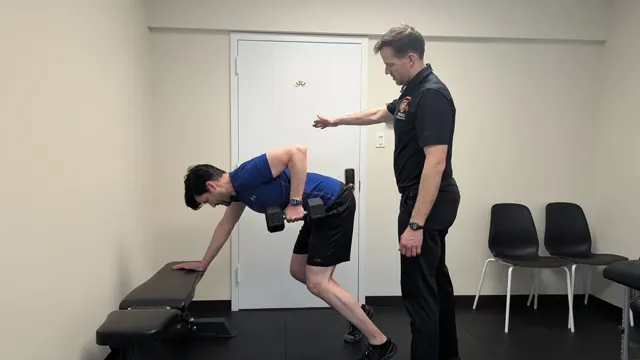
- Pull. Drawing something toward you, like a seated row with a resistance band.
- Carry and balance. Holding a weight while you walk, or simply standing on one foot near a counter.
Begin with body weight and a sturdy chair, then add resistance bands or light dumbbells as you feel ready. Two sets of eight to twelve repetitions per movement is a sensible starting point. The last couple of reps should feel a little challenging, but never painful.
Common Mistakes and How to Avoid Them
Most setbacks I see come from a handful of avoidable missteps. A little awareness goes a long way toward keeping you consistent and comfortable.
- Doing too much, too soon. Soreness is normal, but pain that lingers is a sign you pushed past where your body was ready. Build up gradually.
- Skipping the warm-up. A few minutes of easy movement, like marching in place and gentle arm circles, prepares your muscles and joints.
- Holding your breath. Breathe out as you lift or push, and in as you lower. Steady breathing keeps your blood pressure in check.
- Chasing heavy weight over good form. Clean, controlled movement protects your joints far better than a heavier weight done sloppily.
- Quitting after one rough week. Progress comes from showing up regularly, not from any single session. Consistency wins.
When to See a Physical Therapist or Chiropractor First
For many women, the safest and most encouraging way to begin is with a little guidance, especially if your body has a history worth working around. It is worth checking in with a professional before you start if any of these apply to you:
- You have ongoing pain in a joint, your back, or your neck
- You are recovering from a recent injury, fall, or surgery
- You have osteoporosis, arthritis, or a balance concern
- You have been mostly inactive for a long stretch and feel unsure where to begin
A visit lets us look at how you move, find any weak links, and build a plan that fits your body rather than a generic template. At Helms Performance, that often means pairing hands-on sports physical therapy to settle any pain with functional strength training to build you back up safely. The goal is simple: help you start strong and keep going.
Sample 3-Day Beginner Plan
Here is a gentle weekly framework you can adapt. Spread the three days across the week with rest days in between, for example Monday, Wednesday, and Friday. Keep the weights light at first and focus on smooth, controlled movement.
| Day | Focus | Sample movements |
|---|---|---|
| Day 1 | Lower body and balance | Sit-to-stand squats, hip hinges, standing on one foot near a counter, slow heel raises |
| Day 2 | Upper body | Wall push-ups, banded rows, light overhead press, banded pull-aparts |
| Day 3 | Full body and core | Sit-to-stand squats, suitcase carries with a light weight, bird-dogs, gentle planks against a wall or floor |
Do two sets of eight to twelve repetitions of each movement, resting as needed between sets. After two or three weeks, when a movement feels comfortable, add a little weight or one more repetition. Small, steady steps add up to real strength.