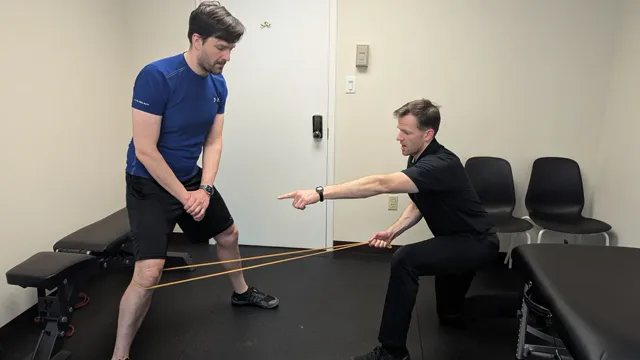
Strength training for seniors is one of the most studied, most reliable ways to stay steady on your feet and keep living life on your own terms.
Whether you want to get back on the pickleball court on Saturday mornings or simply carry the groceries up the front steps without a second thought, resistance training earns its place in your week. If you have never set foot in a gym or a chiropractor's office, that is perfectly fine. This is a welcoming, practical guide to starting safely, at any age and any fitness level.
Why Strength Training Matters for Seniors
In my practice at Helms Performance in Bethesda, MD, the patients who hold on to their independence the longest almost all share one habit. They keep their muscles working. That is not a coincidence. After about age 60, adults can lose muscle at a rate of roughly 3 percent per decade if nothing is done to slow it, and that loss tends to speed up with each passing year. Strength training is the most direct way to push back against it.
This is about far more than looking fit. The strength you build in a simple routine shows up in the moments that matter most:
- Better balance and fewer falls. Stronger legs, hips, and core help you stay steady and catch yourself, which is one of the best ways to protect your independence.
- Healthier bones. Loading your muscles gently signals your bones to hold on to density, which matters if you are concerned about osteoporosis.
- Everyday ease. Rising from a low chair, climbing stairs, and lifting a grandchild all get easier when the muscles behind them are strong.
- Happier joints. Strong muscles take pressure off achy knees, hips, and shoulders rather than adding to it.
- More energy and better sleep. Many people notice they feel brighter and rest more soundly within a few weeks of starting.
Muscle responds to gentle, consistent effort at every age. A little resistance work, done a couple of times a week, protects the independence you want to keep.
What 'Strength Training' Actually Means for Older Adults
The phrase can bring to mind heavy barbells and crowded gyms. Let us set that picture aside. Strength training simply means asking your muscles to work against some resistance, then giving them a little rest to grow stronger. That resistance can come from your own body weight, a set of light dumbbells, a resistance band, or a piece of gym equipment.
This is what people mean by functional strength training: practicing the movements your body already uses every day so they stay easy. Standing up, reaching overhead, carrying a bag, and steadying yourself are all trainable. And because we are talking about low impact strength training, none of it needs to involve jumping, pounding, or anything that jars your joints. Slow and controlled beats fast and heavy every time.
If you are looking for strength training for beginners, the goal at first is not to lift a lot. It is to move well, build a habit, and let your body adapt. The weight can come later.
Where to Start: Low-Impact Resistance Exercises
You do not need fancy equipment or a complicated plan. A good beginner routine covers the basic movement patterns your body uses all day, done two or three times a week. Here are gentle, joint-friendly places to begin:
- Sit-to-stand squats. Rise from a sturdy chair and sit back down slowly. This trains the exact strength you use dozens of times a day.
- Wall push-ups. Stand an arm's length from a wall and press in and out. Easy on the shoulders, kind to the wrists.
- Banded rows. Anchor a resistance band and pull your elbows back to strengthen the upper back and improve posture.
- Heel raises. Rise onto your toes near a counter for support. Great for ankle strength and steadiness.
- Standing balance holds. Stand on one foot near a counter for a few seconds at a time to sharpen balance.
- Suitcase carries. Hold a light weight in one hand and walk tall for a short distance. Simple, and it builds a strong, stable core.
Start with one or two sets of eight to twelve repetitions, keep the effort comfortable, and stop well before you feel worn out. Good form matters far more than heavy weight, especially in the early weeks.
Signs You Should See a Physical Therapist or Chiropractor First
Most people can begin a gentle routine on their own. But sometimes it is wiser to get a set of professional eyes on your movement before you start. Consider a visit first if any of these apply to you:
- You have ongoing pain in a joint, your back, or your neck that has not been checked out
- You are recovering from a recent surgery, fall, or injury
- You feel unsteady on your feet or have had a fall in the past year
- You have a health condition, like a heart concern or advanced osteoporosis, that affects exercise
- You are simply nervous and would feel better with a plan built for your body
A short course of sports physical therapy or a visit with a sports chiropractor can identify what is safe for you, address any pain, and hand you a routine you can trust. There is no shame in asking. It is the same first step many of my patients in Bethesda take, and it makes everything that follows feel easier.
A Sample Beginner Program
Here is a gentle weekly framework you can adapt. Spread the three days across the week with rest days in between, for example Monday, Wednesday, and Friday. Keep the weights light at first and focus on smooth, controlled movement.
| Day | Focus | Sample movements |
|---|---|---|
| Day 1 | Lower body and balance | Sit-to-stand squats, heel raises, standing on one foot near a counter, gentle hip hinges |
| Day 2 | Upper body | Wall push-ups, banded rows, light overhead presses, banded pull-aparts |
| Day 3 | Full body and core | Sit-to-stand squats, suitcase carries with a light weight, bird-dogs, gentle wall planks |
Do one to two sets of eight to twelve repetitions of each movement, resting as needed between sets. After two or three weeks, when a movement feels comfortable, add a little weight or one more repetition. Small, steady steps add up to real strength over the months.
Final Thoughts from Dr. Helms
If joint pain or a past injury has you hesitant, that is exactly the kind of thing we help with. You do not have to figure it out alone, and you certainly do not have to be an athlete to walk through our door. Whether you are a retired teacher hoping to keep up on garden days or a lifelong walker who wants to feel steadier on the trail, we can build a plan that respects your body and moves at your pace.
At Helms Performance in Bethesda, MD, we combine functional strength training with hands-on care so you can start with confidence and stick with it. The best routine is the one you will actually enjoy and keep doing. Start gently, stay consistent, and let your strength grow one small step at a time.