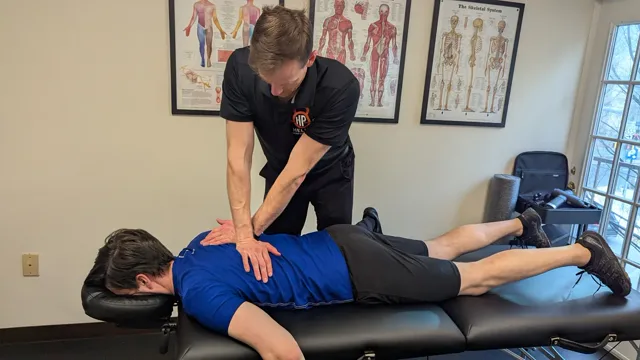
Sports chiropractic and physical therapy are two distinct disciplines that often work best together. Chiropractic focuses on the spine, joints, and nervous system, using adjustments and soft tissue work. Physical therapy focuses on restoring movement and rebuilding strength through exercise and progressive loading.
When people search sports medicine vs physical therapy, what they usually want to know is simple: who should I see to get out of pain and back to what I love? The short answer is that sports chiropractic and physical therapy are two different disciplines, and often the best plan uses both. Whether you are a soccer player with a cranky knee or a grandparent who wants to walk the neighborhood without back pain, here is a clear, friendly breakdown of how they differ and when each one makes sense.
What Sports Chiropractic Focuses On
Sports chiropractic centers on the spine, the joints, and the nervous system that connects them. Using hands-on adjustments and soft tissue work, a sports chiropractor helps restore movement to joints that have become stiff or restricted, calms down irritated tissue, and takes pressure off nerves. The goal is to relieve pain and get you moving freely again.
In my practice at Helms Performance in Bethesda, MD, this is often where care begins when something feels stuck. Think of a runner whose lower back locks up, a desk worker whose neck will not turn comfortably, or a lifter whose shoulder catches on every rep. A hands-on sports chiropractic approach can create quick, meaningful relief so the rest of the plan has room to work.
What sets sports chiropractic apart from the picture many people carry in their heads is the focus on movement and activity. It is not only about a joint that pops. It is about understanding how the whole body loads and moves, then treating the spot that is holding you back so you can get back to your sport, your job, or simply your daily routine without pain slowing you down.
What Sports Physical Therapy Focuses On
Sports physical therapy focuses on movement rehabilitation and functional restoration. Where chiropractic often works to unlock a joint or release tight tissue, sports physical therapy rebuilds the strength, control, and endurance that keep the problem from coming back. It is the guided, active side of care.
A physical therapist walks you through targeted exercises, corrects the movement patterns that led to the injury, and gradually loads the tissue so it becomes more durable. This is what turns short-term relief into a lasting result. For a healing hamstring, a wobbly ankle, or a shoulder recovering from an old strain, this rebuilding work is what gets you back to full activity with confidence.
It also answers a question people rarely think to ask: why does the same problem keep coming back? Often the answer is that the pain was calmed but the underlying weakness or faulty movement was never addressed. Physical therapy closes that gap. By the time you finish a plan, you are not just feeling better, you are moving in a way that makes the next flare far less likely.
The Key Differences: A Side-by-Side Look
- Main focusSpine, joints, and nervous system
- Primary toolsAdjustments, soft tissue work, hands-on care
- Best forStiff or restricted joints, acute pain, limited mobility
- The goalRelieve pain and restore movement quickly
- Feels likeSomeone helping unlock what is stuck
- Main focusMovement, strength, and function
- Primary toolsGuided exercise, movement retraining, progressive loading
- Best forRebuilding after injury, preventing re-injury, weakness
- The goalRebuild strength so the problem stays gone
- Feels likeA coach guiding you back to full activity
Notice that these are not competing options so much as two halves of a complete plan. One relieves and restores. The other rebuilds and protects. The pillars we follow at Helms Performance say it plainly: reduce pain, restore movement, rebuild strength.
Why Having Both Under One Roof Changes the Approach
Here is the part that matters most. At many clinics, you get one discipline or the other, and if you need the second you are sent somewhere else to start over. At Helms Performance, sports chiropractic and sports physical therapy live under one roof, guided by one provider who knows your whole story.
That changes the experience in real ways:
- Your care is coordinated, so nothing gets lost between two separate offices
- Hands-on relief and active rebuilding can happen in the same plan, in the right order
- You are not forced into one lane when your body needs a bit of both
- Progress is tracked by someone who sees the full picture from day one
You do not have to choose between relieving the pain and fixing the cause. Under one roof, the two disciplines work together on the same plan, at your pace.
How Dr. Helms Decides Which Path to Take
Every plan starts with a conversation and a hands-on exam. Dr. Paul Helms is a sports chiropractor in Bethesda, MD, with advanced training in Active Release Technique, a hands-on method that treats problems with muscles, tendons, ligaments, fascia, and nerves. He listens to what you want to get back to, then examines how you move to find the real source of the problem.
From there, the path depends on you. Sharp, recent pain and a stuck joint often call for hands-on chiropractic care first. A healing injury or a weak link in a movement pattern usually points toward physical therapy. Many people need a thoughtful blend of both, and because both are available in one place, Dr. Helms can adjust the mix as you improve.
Dr. Paul's Final Thoughts
If you have been stuck deciding between a chiropractor and a physical therapist, take a breath. You do not have to diagnose yourself or pick perfectly on the first try. Whether you are chasing a personal record or simply want to pick up your kids without wincing, the right first step is an honest assessment.
Come in, tell us what is bothering you, and let us map out a plan that fits your body and your goals. Sometimes that is chiropractic care, sometimes it is physical therapy, and often it is a smart combination of the two. That is exactly what having both under one roof at Helms Performance is for.